Wednesday, December 9, 2015

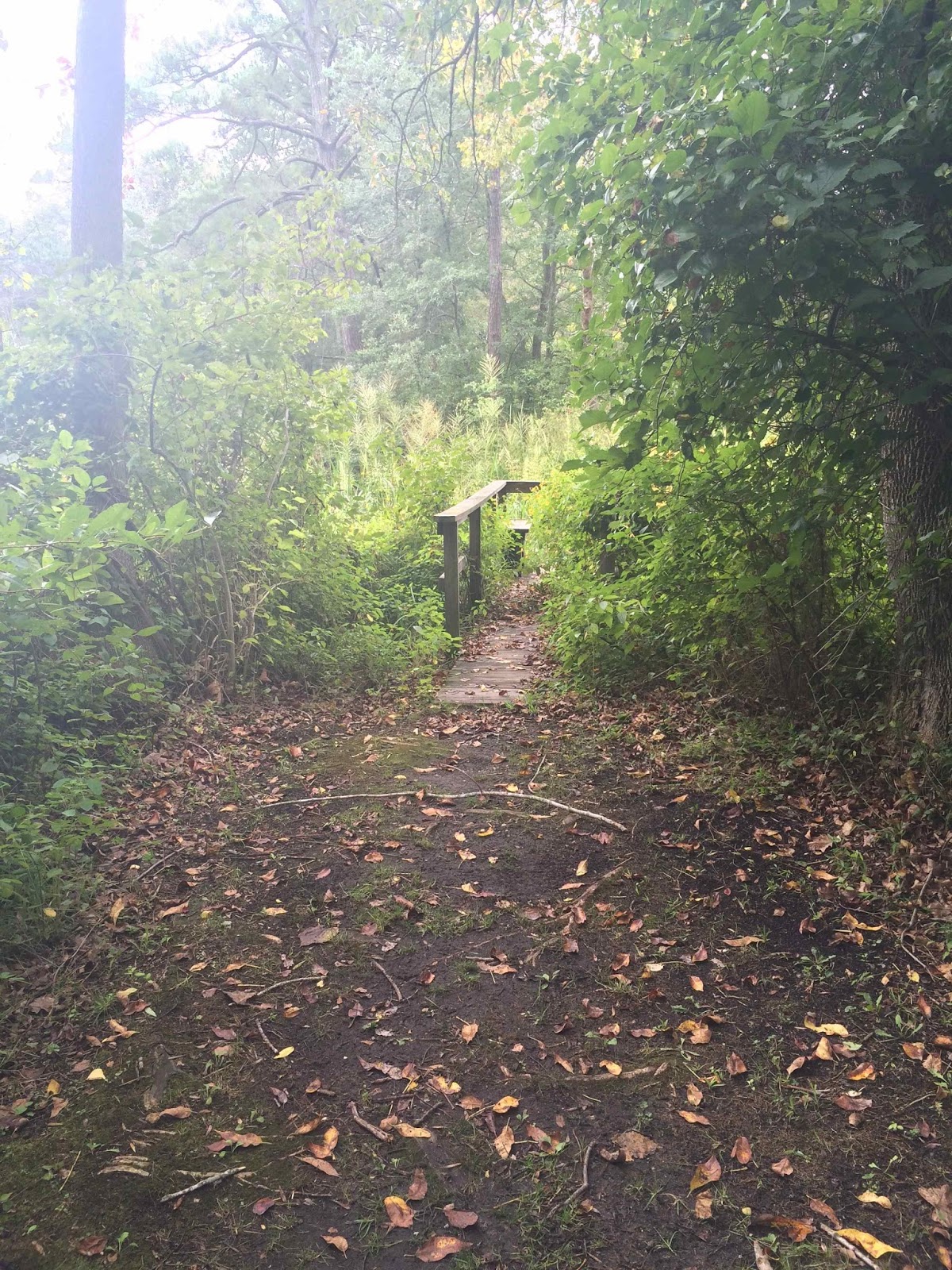
Returning to Webster’s Cove

            Websters Cove is by no means an imposing port full of bustling ship traffic exporting goods to far off places, but through the eyes of a small child growing up on the rural Eastern Shore it was exactly that. Located in secluded Mt. Vernon, Maryland, Webster’s Cove lies at the mouth of the Wicomico River. Standing on the shore of the marsh that all my friends and I would spend our days traipsing through, the Wicomico River looked to be miles wide and hundreds of feet deep. In the summers we would watch what seemed to be an endless stream of boats travel in and out of the harbor. They were so large and mysterious; always grabbing our attention and making us create different scenarios about where they were going. Growing up in Mt. Vernon we were lucky to have the tidal marsh as our playground, where we learned to appreciate the natural world for its beauty and many lessons we would learn from this place we called home. Between playing man hunt in the phragmites at dusk and staring, mesmerized at the colors of the sunset, we spent not only our days, but our nights out in this marsh. The sunsets in Mt. Vernon are unforgettable. The mix of pinks, oranges, and purples reflecting off of the river are incredibly beautiful. 

            One of my first memories on the Wicomico River is fishing off of my grandparent’s dock with my grandfather. We caught catfish, rock fish, and eels. The catfish is not the prettiest fish, with its mud brown coloring, but as a child it was the only fish I could recognize because of their distinctive whiskers. While we would have our lines cast off the dock, we would have strings tied to the pilings of the dock. “Chicken necking” was our version of crabbing, though we never had much luck with it. We were lucky to catch half a dozen in an afternoon. It was much easier to walk across the street and buy a bushel from one of the local watermen coming in from a successful day of crabbing.

            When we were younger, we would all go walking through the marsh, creating adventure in our sleepy little town. Near the shoreline we would see mummichugs swimming and attempt to scoop them up, almost always missing them by a second. The periwinkles that attached themselves to the bulk-heading were more my speed. All you had to do was pluck one off of the pier and let it sit in the palm of your hand. Once it wasnt afraid anymore it would slowly begin to come out of its shell, and leave a slimy trail as they crawled along your hand. The periwinkle, or Littorina littorea, are originally from Europe and are considered an invasive species to the East Coast of the United States (Encyclopedia).

          As we explored the tidal marsh we became very familiar with the different organisms living within the ecosystem. On top of a channel marker that is positioned at the entrance of the harbor there is an Osprey nest that is always filled with a family of these curious birds. Whenever we would take the boat or jet-ski out we would pass the nest as we enter or left the harbor. Perched on top of the channel marker, for as long as I can remember, there is a family of Osprey, or Fish Hawk as the locals call them. The nickname, Fish Hawk, comes from their diet of fish and their hunting technique of diving into the water to pluck live fish up with their talons (All About Birds). These birds have bright yellow eyes that are not afraid to make eye contact with any boater that passes by. For some reason I always thought that the family that nested in the top of the channel marker were just used to being around humans, but I later learned that it is common for these birds to be very curious of humans and not easily spooked by them (All About Birds).

            One hot weekend, I took the jet-ski out on the river. While I was out in the middle, I ran out of gas. Luckily, it was low tide. The river was so shallow that my dad was able to walk out to where I was bobbing on the jet-ski and towed me back to shore. As a child, this river seemed so deep and wide, but it is actually shallow. Mt. Vernon is a small town, but since it sits at the mouth of the Wicomico River barges carrying goods to the Port of Salisbury are always traveling by. These barges are typically transporting chicken feed for Perdue Farms, Cato’s oil and gas, and Vulcan Materials’ construction material (Cox). Every other year the U.S. Army Corps of Engineers funds a dredging project that sends equipment to Webster’s Cove to dredge out a channel for these barges to pass through (Cox). Without the dredging, to remove the silt from the bottom of the river it would be impassable to larger vessels (Cox).

            While the channel becoming clogged with silt, the shoreline that borders Webster’s Cove is receding. John Barnette, a watermen in Mt. Vernon known for his extensive knowledge of this area, stated that in his lifetime there has been an obvious recession in the shoreline due to erosion (O’Neal). As a child I remember playing on the beach in front of my grandparent’s cottage, right down the street from Webster’s Cove. We would burry our legs in the sand and pick up the baby jellyfish that were scattered over the beach. These baby jellyfish were dime sized, clear jelly domes that would wash in with the waves. I always loved playing with them because, unlike the adult jellyfish, they could not sting me.

            The Wicomico River is not just a beautiful and complicated tributary of the Chesapeake Bay, but a way of making a living for many locals. Year round the harbor is filled with boats owned by these local watermen who have some of the deepest connections with this river. Not only do these watermen depend on the river for their personal livelihood, but they have vowed to protect this invaluable resource. Barnette states that it is not uncommon to put in about 80 hours a week between shedding soft crabs, catching hard crabs, or oystering (Wicomico Stewardship Initiative). The dedication to this trade that these watermen exhibit is one of the most inspiring professions in my opinion. Working on the water requires a love for what you do because it is not always easy.

            The job of a waterman is unpredictable. Nature is not consistent and to be successful they must adapt. For example, for a good crab harvest requires a perfect combination of winter temperatures, coastal currents, weather patterns, and natural predators (MD DNR). Some years a good harvest is in the cards when these factors work together, in other years disease, or weather can disrupt a whole year’s worth of work. The success of both crab and oyster harvests are said to be indicators of the health of the Chesapeake Bay. If this is the case then things seem to be looking up because for the seventh year in a row crab harvests have been reported at a safe level (MD DNR). The 2015 oyster season in Mt. Vernon has filled the harbor with work boats from surrounding communities to access the public oyster beds that are very plentiful this year. During the crabbing season this year there were seven work boats working out of Webster’s Cove. The start of the oyster season increased the number of work boats to 24, a trend that has not been common in recent years.

            Good harvests are directly linked to natural factors, but continuing this trend must also be a combined effort with those that benefit from the harvests. In every Environmental Studies class we have the discussion about private versus public land and resources. When resources are open to the public it is a competition between parties of who can collect the most resources. In a capitalist society it is about making a profit, so public lands run the risk of being depleted because of this competition. However, with private resources there is no competition and it remains up to the owner to maintain the resources. John Barnette owns several oyster ground leases that give him the right to the oysters within the lease perimeters (Wicomico Stewardship Initiative).   In Maryland only 7,000 acres of oyster grounds are leased to private individuals (Extension, pg 1). If more oyster ground leases were issued to local watermen it could be beneficial because it would then become the responsibility of those lease holders to provide protection to the oyster beds.

            These moments of wonder and joy, growing up in such a beautiful place have influenced my pursuit of a degree in Environmental Studies. I wanted to share an appreciation of nature that I gained through these experiences onto others. While I was furthering my education, I found that I enjoy studying the economics behind the relationship between the river and the watermen. This connection is undeniable and important to the way of life of many locals. I want to be able to use my education in both fields to find a middle ground where watermen, environmentalists, and economists work together to preserve this industry and the natural resources it depends on. A lot of times there is tension because one side assigns blame for the problems facing the Chesapeake Bay and its estuaries. Natural history emphasizes the interconnectedness between humans and nature. The Wicomico River connects places, people, the environment, and industry to the ecosystems that support them. The distribution of resources, like oysters, connect the Wicomico River to places like New York City. John Barnette says that he has transported his soft shell crabs from Mt. Vernon to as far as New York City (O’Neal). The resources of the Wicomico River are not only important to the locals, but are treasured by others as well.

           My education has opened my eyes and changed my perspective on the area that I grew up in. As a child I had many experiences that drove my appreciation for nature from a young age. I had a childhood where I was free to explore and learn through experience. With both Environmental Studies and Economics backgrounds I see the potential of nature and industry working together. Environmentalists, economists, and the watermen are working towards the same ultimate goal; I hope I can be a part of achieving it. 

Kaitlin ONeal


Works Cited
"Chesapeake Bay Blue Crab Population Shows Modest Improvement." DNR News. Maryland DNR, 27 Apr. 2015. Web. 03 Dec. 2015.
"Common Periwinkle." Encyclopedia of Life. Ecomare, n.d. Web. 4 Dec. 2015.
Cox, Jeremy. "Wicomico Co. Looks to Expand Port of Salisbury." CBS. N.p., 31 May 2014. Web. 4 Dec. 2015
"John Barnette Interview Video." Interview by Tara O'Neal.
O'Neal, Tara. Harbor. 2014. Mt. Vernon.
O'Neal, Tara. "John Barnette: A Wicomico Waterman." Wicomico River Stewardship Initiative. N.p., n.d. Web. 15 Nov. 2015.
"Osprey." Sounds, All About Birds. The Cornell Lab of Ornithology, n.d. Web. 03 Dec. 2015.

Webster, Donald, and Donald Meritt. "Laws and Regulations for Shellfish Growers in Maryland." University of Maryland Extension (2007): 1-21. University of Maryland. Web. 3 Dec. 2015.

Tuesday, December 8, 2015

Coulbourn Mill Pond

Coulbourn Mill pond is a good observation spot for me because over a period of 24 years, I have personally witnessed the changes that have take place. They are not good. I can still picture the water of the pond when I was younger. It was very clear and fish could be caught any day of the spring and summer. There were always people out in kayaks or small boats chasing the perfect fishing spot. People would be sitting on their docks late into the evening just enjoying the natural beauty that accompanies a healthy water body. I imagine the pond was an even more popular spot before well before I was born. Local people who are much older than me must have a very different view of the pond. It might have even been healthier than I could ever imagine. I doubt that it will ever get back to that point again.
I have kayaked the full length of the pond many times over the past few years, enough to conclude that a strong case can be made that these waters are suffering hypoxia. All the properties surrounding the pond have at least a moderate slope leading into the pond. This gradient would promote the movement of nutrients into the pond.  Overabundance of nutrients in the water in turn inevitably creates nitrification, which is like a nutrient overdose for the habitat. All the extra nutrients allow the plants to grow excessively. The water is dense with aquatic plants, which is the main reason why I am point to hypoxia. These plants make paddling the pond extremely difficult. Each dip down into the water entangles the paddle, and each lift out of the water is weighed down by the plants tangled around the shaft. The plant appears to be the Brazilian elodea. It has the ability to overwhelm a pond with extremely dense areas of the vegetation. These plants do not have any rigid structures and sway with the movement of the water. It can produce through fragmentation and is very different to eradicate. There are also aquatic plants known as Fragrant Water Lilies sporadically spread about the pond. Their scientific name is Nymphaea odorata and are native to this area. They take up root in the silts on the bottom of the pond and have a long stalk that leads to the surface where the pad structure is located. The pad floats and is where the plant takes in sunlight. This area is often where you would find water frogs or even dragonflies sitting to take in the warmth of the sun. It can produce new plants through spreading seeds or even rhizomes. Rhizome is the ability of a plant to take up root from different parts of the plant. One could take part of the stalk and plant it down into the mud. This stalk would produce roots and form a new plant. It would be genetically identical to the original plant. This is a fascinating evolutionary adaption that is beneficial to the survival of the Water lily. There are times when the flowering portion of the plant may not be pollinated for one reason or another and its biological function of reproduction would not occur unless it had rhizomes. These aquatic plants are in love with this man made ecosystem. They thrive off all the abundant nutrients in the water. At this point in the process the plants are producing oxygen that is dissolved in the pond water. This is a good thing for any aquatic organisms and the ecosystem in general. The situation turns bad when these aquatic plants begin to die off and decompose. There is not enough dissolved oxygen in the water to facilitate the bacteria that help in the decomposition process. This is the point in which the water becomes hypoxic. There is no longer enough dissolved oxygen to support aquatic life. The pond is now a large dead zone from a fishermen’s perspective.
It could be better. Better management could help this aquatic ecosystem. Land management techniques need to be improved upon on the land surrounding the pond. These areas should refrain from using any fertilizers on their yards. This would reduce any excess nutrients from making their way into the water and causing excessive growth in the aquatic plants. Buffers could be created by planting native plants and trees around the pond. This would do great to suck up nutrients and hold onto sediments what would normally erode into the pond. The wood structures that separate water from land lining the edges of the pond could be reverted back to natural barriers. This would also help hold onto sediments, as well as allowing amphibians to enter and exit the pond with ease. Currently these creatures have very limited access to the shore line.
There is a dense mixture of debris covering the ground in between and around the trees. This layer is constructed of pine shads, leaves, dirt and sticks that have accumulated over the years. These materials all together are very good for the trees and other plants because it prevents water loss through evaporation. The soil beneath this layer will stay moist year round. It also can become very rich with nutrients as the materials decay and return nitrogen and carbon back to the Earth. These things if given enough time can also form good topsoil for future plants to take up root in. Well developed forests will have very thick layers of these materials. The farther you dig down, the more decomposed the materials will become. This is also where Earth Worms thrive. I have recently walked around in a forest that is owned and maintained by the Nature Conservatory not far from here that had a very thick forest floor. It was a well established forest that has trees over 75 years old with natural springs around the property. The floor is capable of soaking up all the rainfall and cleaning it through natural processes. The water will then reemerge somewhere else on the property as a spring with very clean water. This is why forests are vital to the prevention of erosion. The forests can handle very large sums of rainfall that would have normally pooled up on manmade surfaces and caused damage eventually. The lack of forested area along with the road way so very near the pond has created excessive erosion along the shore line. The banks are very steep with exposed roots winding their way through the open air. Without a large forest surrounding the pond there is no effective buffering system from contamination.
The pond faces the next challenge of contamination. The local ground water in the area near Coulbourn Mill pond is contaminated with a chemical called Trichloroethene (TCE). It is a solvent used in industrial processes and is not found naturally in the environment. It has been found to cause cancer, which makes its presence in the water supply a very bad thing. I personally drank from this contaminated water for the first 18 years of my life and so did countless other people. It is frustrating knowing the cause of this contamination is caused by humans and could have prevented. There is no telling when exactly the chemical reached the aquifer, but it is safer to assume it has been there throughout the duration of its use. There are a few possible sources of TCE and how it came to be in the water supply, but the State has not come to the conclusion at this time. I predict they never will for fear of being sued if it was from something state funded. The locals have their own prediction of the source of TCE and are most likely correct because of where the chemical has been found and who was using it 25 to 30 years ago.
The pond ecosystem needs its space in order for all the different ecological functions to take place. The human species has encroached on these systems not allowing them to function properly. Ponds have always been a sanctuary for organisms and plants to grow and reproduce. As much as non-migratory geese or duckweed, we humans are an invasive species disrupting the natural balance here. But if we think back farther, we find we are actually encroaching on an encroachment. The pond was not always a pond. It was once a slow meandering stream. The stream was the original natural state of this water body and undoubtedly thrived in its glory days before agriculture, industry and housing developments changed the face of the earth here. Humans then dammed the stream to create a mill pond. This new type of water body creates a new ecosystem in itself. Damming the stream was the first encroachment. But then land developers constructed houses and roads right up to the banks of the pond, which is the second encroachment. I can only imagine what the area would be like if the original stream was still there with no hard-scapes nearby . It might have been a thriving ecosystem or maybe even a great place to take a leisurely kayak trip on a nice summer day. If only we didn’t feel compelled to always dominate nature things might be different. The original damming of the pond was crucial to the survival of the early people settling the area. They were able to feed their families from the money made off the production of the mill. Now the pond serves no industrial function to the people so why must it remain dammed? The answer to this is could be many things but the obvious is the property value of the water front homes. Water will typically raise the property value of homes which is the goal of any homeowner.
Joshua Shrieves

Pond Perception

The more time I spend at Schumaker Pond, the more its waters, brimming over with life, speak to me. The surrounding trees burst with color as their fall leaves turn to shades of light yellow, pinkish reds, and soft oranges, just like pastels on canvas. The thunderous calls of Canadian Geese (Branta canadensis) permeate the air as gaggle after gaggle swoops in and gracefully touch down on the surface of the pond. A well deserved layover during their long and arduous migration. My nose picks up the strong musky odor of wet marsh grasses and pond scum floating on the surface of the water along the edges of the pond. The intensity and gentleness of the late cold evening breeze hits my hands and face, chilling my very bones. I am awestruck at how this very wind moves beyond me to create small ripples in the water that catch the waning light and burst like flat vibrating waves of color across the surface of the water, like a symphony of liquid light. These observations are the result of a heightened state of perception of nature in which I find I am not merely an outside observer but an inherent part of the natural world around me.
This heightened and more personal perception of the natural world that I have found through my time at the pond first required me to let go my preconceived notions of the landscape. The first observations at the pond left me in a whirlwind of stress and anxiety. I wasn’t at the pond so much as still preoccupied by other class assignments and various things I had to do for school. This stress and anxiety negatively affected my outlook on the pond and hindered my ability to truly notice what was going on around me. This outcome, it turns out, is not atypical. One study performed at the University of Toronto found that subjects who were observing a natural environment with a positive attitude or in a good emotional state displayed a wider field of vision and were able to perceive more clearly than those observing nature in a bad mood (Rossi 2015). The pond even began reflecting my emotions as the marsh grasses began to appear deathly ill and lifeless as they hug limply down, and a swarm of gnats felt like they were attacking me with relentless fury.
To combat this mindset I decided to take deep breaths, close my eyes, and relax for a few seconds before my observations to experience and perceive the pond more fully and naturally. This helped me step back from the preoccupations that, it turns out, were obscuring my sensitivity to what was going on around me. As a result, the trees took on new fantastic shades and colors as the light reflected off them. The different birdcalls began to sound distinguishable. Belted Kingfishers (Megaceryle alcyoncackled) rattled and warbled as they perched in snags over the water. Northern Cardinals (Cardinalis cardinalis) chirped poetic love songs as mating pairs teasingly chased each other through the air. These new perceptions let me enter into the life of the pond. Now that I could perceive the pond as an equal part of my own self I wanted to explore the bigger picture and how this splendid body of water could possibly connect to the human element of nature.
            Whether in the swishing sound of fishing line being cast out over the shallow water in search of prey, or a staring contest between a birder’s binoculars and the haunting yellow eyes of a Bald Eagle (Haliaeetus leucocephalus), Schumaker Pond has the ability to bring the natural world and humans together. The famous environmentalist, Aldo Leopold, addressed the connections between humans and the living world in his book, The Sand County Almanac, when he writes, “When we see land as a community to which we belong, we may begin to use it with love and respect” (viii).  This concept of nature being a “community,” calls people to see that we as humans are part of the living world and what we do and make directly alters and impacts the natural world along with ourselves. In the case of Schumaker pond, human contact has directly shaped the pond it is today. According to local residents, these waters were initially just a small stream until a dam was established that controlled the flow of water to power a mill. Today the mill is gone, but the pond remains, its surface marked by the constant ebb and flow of the natural current running through it. Although the pond no longer powers any machinery, it’s not a purposeless relic of the past but rather a living shelter that continues to benefit both the environment and the local community surrounding it.
That this pristine sanctuary for wildlife was once a just a fabrication of the natural landscape to fit the mold of human will is hard to believe. Ever since the establishment of the Ward Museum of Wildfowl Art the pond has been transformed into a carefully maintained, vibrant habitat that supports/sustains the life of both humans and wildlife alike. Walking along the path adjacent to the pond there is a wide variety of brilliantly colored native wetland grasses, trees, and other vegetation filling up the 11-acre park that extends the full length of the pond.  This vegetation was planted by local volunteers to act as a natural filter for the water in the pond as it travels further downstream. This process improves water quality by removing excess levels of nitrogen and phosphorous that would be dangerous for people and wildlife alike (Stribling Talk, Harrison 2009). The trees and shrubs establish a natural corridor where both migratory songbirds and native species such as the Redwing Blackbird (Agelaius phoeniceus) can build their nests to contain the great miracle or birth and a new generation of life (Wood 2012). The dam in the pond has also played a key role in the created habitat by controlling the flow of water to create a stable marshy area that various species of fish and waterfowl, like Great Blue Herons (Ardea Herodias) and Mallard Ducks (Anas platyrhynchos), call home. The dam also prevents flooding downstream during major storm events that could erode and do damage to the surrounding area (NOAA). Essentially the pond has now been engineered to create a natural habitat the supports biodiversity while also protecting the quality and level of water for both humans and wildlife.
This deeper perception of humans being a part of the natural “community” deals with the principle of local culture and how the environment and local people interact and affect one another. For example, due to the abundance of waterfowl in the pond along with the Ward Museum of Wildfowl Art centering around the art form and history of handcrafted decoy ducks, the pond attracts a lot of local hunters and fishermen. Burly men gifted with nature’s strength do not come to the museum to hunt prey but rather to celebrate and rejoice in the splendor of the natural world that support the creatures that their pursuits depend on. One fine brisk Sunday afternoon I found myself in the middle of the 2015 Chesapeake Wildfowl Expo hosted at the museum where collectors, artists, and enthusiasts of decoy ducks showed up to sell ducks, tell stories, and compete for the title of best decoy for the year. Almost all of the people there were also duck hunters. But you could see from the details that went into their decoys and from the stories they told that they truly loved nature and appreciated the ducks, whose presence they covet for their sport. Lex Levoe, a local environmentalist at the event, said, “Hunters and watermen usually have a greater sense of connection with the natural world due to their understanding and patience of the natural world as they peruse their prey (2015).” Thus the area is well protected, funded, and supported by local hunting community that has centered their culture and way of life on the wildlife that calls Schumaker Pond their home.
Standing at the edge of the water, the faint laughter of a small child echoes out over the pond.  The laughter increases and a family comes into view, with two young children staring through a scope at some bird out on the water. Their eyes light up with joy, and it is clear that this pond is more than just a habitat. Before me lies a marshy interactive classroom for learning. I spoke with Mark Bushman, the Educational Director of the Ward Museum, about the programs the museum has to educate visitors and students about the environment (2015). He discussed how museum personnel travel throughout three counties to give presentations to kindergarten classes about the importance of keeping their local watershed clean for the benefit of both humans and wildlife. He also mentioned how local elementary schools take field trips to learn about the history and the natural beauty of the area both in the museum and on the nature walks along the pond. Finally he mentioned that students from the local high school and from Salisbury University perform research and do maintenance on the pond.  Their tasks are varied: one group sinks its test tubes into the shallow depths of the pond to get samples, while another follows the contours of the bank to create an electronic map using GIS mapping technology. Some students play the role of tiny fishermen as they collect micro-invertebrates. Finally the last group breaks a sweat as they diligently work to reestablish the walking trails to their former glory. Research has shown that educating youth about environmentalism helps develop a deeper love and respect for the environment and willingness to make an effort to protect it (Meyer 2015, Franz 2014). All of these programs help to create a culture of environmental awareness and love for the natural world with increased understanding.
Gazing out over the shimmering water of Schumaker Pond I think back to the many sensations and experiences I have had over the last few months at this wonderful site. Memories of the hearty hunters as they swap tall tales of the ducks they shot and the children laughing and pointing wildly at every bird that passes into their field of vision. I picture what the pond once must have looked like before man ever touched its waters. I ask myself if mans contribution actually improved the ecological role that the pond plays. There is no denying that the pond is a perfect example of positive, synergistic relationship between the natural world and humanity as they respectively work together in a larger community to benefit both parties. Finally, I think of how I went from seeing the pond as just another pretty picture to a blossoming tapestry of sight, sounds, feelings, smells, and life. Turning to leave the pond for the day the definitive quack of a male Mallard Duck (Anas platyrhynchos) rings out, wishing me well and inviting me back to the home, which we now share on Schumaker Pond.
Chase Douglas

Work Cited

"An Introduction and User's Guide To Wetland Restoration, Creation, and Enhancement." Habitat.noaa.gov. Interagency Workshop on Wetland Restoration. Web. 05 Nov. 2015.
Bushman, Mark. Personal Interview. 11 Oct. 2015. 
Frantz, M. Cynthia, Mayer F. Stephan, “The importance of connection to nature in          assessing environmental education programs,” Studies in Educational Evaluation           (2014): 85-89. Web. 17 Oct. 2015.
Harrison A. John. “The Regional and Global Significance of Nitrogen Removal in Lakes     and Reservoirs.” Biogeochemistry 93.5 (2009):143-157. Web. 17 Oct. 2015.
Leopold, Aldo.A Sand County Almanac and Sketches Here and There.” Oxford University Press: New York, 1949. Print.
Levoe, Lex. Personal Interview. 11 Oct. 2015.
Meyer Andrew. “Does education increase pro-environmental behavior? Evidence from                  Europe.” Ecological Economics 116 (2015): 108-121. Web. 17 Oct. 2015.
Rossi D. Sebastian, Byrne A. Jason, Pickering M. Catherine, and Reser, Joseph.    “‘Seeing red’ in national parks: How visitors’ values affect perceptions and      park experiences.” Geoforum 66 (2015): 41-52. Web. 17 Oct. 2015.
Stribling, Judith. Wicomico Creek Watchers Schumaker Pond Water Quality Summery.      26 Oct. 2015.
Wood M. Eric, Pidgeon M. Anna, Feng Liu, and Mladenoff J. David. “Birds see the trees             inside the forest: The potential impacts of changes in forest composition on             songbirds during spring migration.” Forest Ecology and Management 280 (2012):   176-186. Web. 17 Oct. 2015.


The Crunch beneath My Feet

           
 As I sit on the cold, hardened, forest floor, the world becomes silent; for only a moment. Autumn has provided a blanket of decomposing leaves upon the surrounding ground. The wind whips above rustling the branches with any remaining bursts of reds and yellows; it is a welcomed end to my temporary quiet bliss. Pemberton Park is the location I have been observing for the past twelve weeks and the profound qualities drew me in, leaving no argument against developing my natural history repertoire here.

During childhood, fall was the season that excited me most. I do not know if it was that the season began the countdown to the holidays, or if the cooler weather meant that snow days were just a month or two away, but this season brought such joy to my heart, much as it still does today. As the sunlight diminishes and the days get shorter, the air takes on a slight chill, the wind picks up and suddenly the trees have changed their colors to a whole new palette. The deep oranges, the bright yellows, and the bold reds are exciting to the eye and are a welcomed change. Leaves are such an integral part of the ecosystem, yet they are also important to our culture.

            Decorations for the holidays use leaves to create a sense of home. Wreaths on the door provide a sentimental feeling of family gatherings and warmth around the hearth. Leaves with changing foliage provide “cozy” colors to be placed around the room. Does this mean that society views fall, in the natural world, as a time for humans to be one with nature? If trees are celebrated in the home, then it would appear as though the norm is to cherish the seasons. Would that go to say that there is, in fact, even a love of leaves? What makes humanity feel this pull towards this time of the natural year? Possibly it was that the natives of this land used to celebrate the end of the harvest season with cornucopias and autumn festivities. However, our European ancestors, who also lived in temperate climates, celebrated fall as a harvest festival as well. Temperate deciduous forests have a multitude of species within them. Because of the biodiversity just simply in the tree species aspect, their canopies are not always the exact same as far as when leaves grow and when they fall and how long they stay on the branches (Lechowicz). Due to this variation, not all temperate lands celebrate these festivals at identical times. But, regardless of the slight timing differences of defoliation, autumn held almost a spiritual value. It could be these traditions of our ancestors that compel us to appreciate this season as we do.

            What is the importance of leaves to us? We seem to spend our days as the months turn colder, raking, cutting, sweeping, chopping, and even burning them out of our lives. So why do we place so much pressure on ourselves to fill our lives with artificial leaves tinted to the exact colors we desire, when the natural beauties lie right in our front lawns and scattered upon our sidewalks. Can this be attributed to our obsession with a plastic version of beauty that does not wither? Society’s ideal of convenience is exemplified through these artificial products because they do not die or quickly decay. It is this ideal that plagues our endless demand for production, thus taking tolls on the natural world. By buying and selling these manmade products to exhibit in our homes as if they were the real thing, we are claiming that human kind knows how to “do nature better” than it can do itself. What bold a statement indeed!

            Leaf litter is perhaps an ecosystem in itself. As the leaves fall from deciduous trees onto the forest floor, they land at what seems to be the end of one journey only to begin another. This special place is where death becomes life. It is where decomposition of leaves occurs, thus turning into soil which will then fuel the new life of the trees and plants in the spring to come. The natural world has the most efficient way of “managing its resources” and leaves are the prime example of this capacity. Human kind is so enthralled by the beginning of this process with the changing foliage; but we should stop and stare for another few moments to see the circle of life occurring right beneath their feet.

            Although the vibrant reds and the striking yellows are what catch one’s eye, the final stages of what occurs during fall ecosystems are much more exciting to examine. The ideal place for me to admire the changing landscape is at Pemberton Park in Salisbury, MD. Nostalgia is overwhelming at this spot as I think upon the many class outings here over the years to search for reptiles and amphibians alike. There is one particular alcove overlooking a swamp that drains off of the Wicomico River. There is a small bench on a short pier that allows you to walk out a little further past the tree line as if to get a front row seat watching the inner workings of a swamp-like ecosystem. As fall has set in among the landscape, my eyes have consistently wandered to new places.

As Joan Maloof has recommended in her writings, all you need to do to absorb your surroundings is not look up, but look down. Such a change of direction and a fresh way of viewing things can open the eye, mind, and soul up to experiences never before possible. In this very way, the focus of my observations has led me to the forest floor. Because it is fall, and fall means that leaves will be falling off of deciduous trees, I wonder what changes occur on the forest floor that are specific to this season? These leaves that fall from the trees are near the end of their lives, thus truly being the recycling of the elements. Leaves may seem plentiful when piled up beneath trees, but over the winter they will decompose into a new layer of soil on the floor. The elements recycled through these multiple processes changes dependent upon the species of tree which then determines the size and makeup of the leaves (Chabot). There are also many little critters roaming around in the leaf litter. For some of them, this is the time of year in which they thrive. Some of the critters I have seen include roly pollies (Armadillidiida) which have the sole purpose of digesting leaf litter and turning that into soil. Nature has a perfect sustainable set up and by observing this leaf litter, it has allowed me to witness this well-oiled system first hand. Truly, looking down instead of up in a forest has enabled me to pick up on so many pivotal details within a temperate deciduous ecosystem that I many have never seen prior to my observations.

 When I take a deep sigh and breathe in the crisp autumn air filled with the scent of fallen leaves, I notice a silence that has fallen in between the ebb and flow of the wind gusts. This temporary bliss allows me to appreciate the spectacle that nature has created. There are only a few patches of bright amber and soft oranges left hanging upon the mostly barren branches. The sight of decomposing leaves on the forest floor is an enlightening sight; getting the chance to watch the recycling of nutrients first hand is a gift. The concept of wind was a reoccurring theme throughout my observations. “Wind is the biggest defining factor on forest ecology as it affects so many aspects” (Kutal). The way leaves fall in autumn effect seed dispersal in temperate deciduous forests. Seed dispersal is what continues the current or changes to a new forest ecology. Winds above a sparse canopy are actually weaker than those found above a dense tree canopy. This would then cause the seeds in the sparse tree canopy to be spread by a less strong wind, thus never really allowing it to become anything more than the sparse canopy that it is. This could be the case for my location in Pemberton Park and the cause for the not-so-dense canopy above. Additionally, the lack of variety in the leaf litter would cause for a more monotone effect with the critters found in and around it. Imagine the possibilities and the wonder found within the decomposing matter stacked upon the floor of an old growth forest! The journey that is natural history is only just now beginning for me.

            As I near the end of my observations, not a single leaf is left on a tree. Dark brown and ashy white are the colors that make up this almost monochromatic landscape. All of the once bold features just blend together. Even the sky seems to have a grayish tint. Where has the vibrant character of my favorite place disappeared to? There is a dullness that has set in and is chilling, along with the dropping thermostat, which brings sadness to my heart. Although I do not base my love for the land from its aesthetic appearance, I feel like a part of my soul has been buried beneath the decaying leaves on the forest floor, only to be unearthed by the warmth of the spring in a few long months. This may be my last time visiting for some time, so I bid you adieu my home away from home, my dear friend; I will not be a stranger.
Kylie Watson

Works Cited
Chabot, B. F., and D. J. Hicks. "The Ecology of Leaf Life Spans." Annu. Rev. Ecol. Syst. Annual Review of Ecology and Systematics 13.1 (1982): 229-59. JSTOR [JSTOR]. Web. 21 Oct. 2015. 
Dixon, K. R. "Analysis of Seasonal Leaf Fall in North Temperate Deciduous Forests." Oikos 27.2 (1976): 300. JSTOR [JSTOR]. Web. 21 Oct. 2015. 
Keddy, Paul A., and Chris G. Drummond. "Ecological Properties for the Evaluation, Management, and Restoration of Temperate Deciduous Forest Ecosystems." Ecological Applications 6.3 (1996): 748. JSTOR [JSTOR]. Web. 21 Oct. 2015. 
Lechowicz, Martin J. "Why Do Temperate Deciduous Trees Leaf Out at Different Times? Adaptation and Ecology of Forest Communities." The American Naturalist American Naturalist, The 124.6 (1984): 821. JSTOR [JSTOR]. Web. 21 Oct. 2015.
Nathan, R., and G. G. Katul. "Foliage Shedding in Deciduous Forests Lifts up Long-distance Seed Dispersal by Wind." Proceedings of the National Academy of Sciences 102.23 (2005): 8251-256. PNAS. Web. 21 Oct. 2015.